Four ways to work together
I work personally with every client and take on a small number of engagements at a time. Every one starts with a forty-five-minute conversation, which costs nothing.
Advisory and non-executive roles
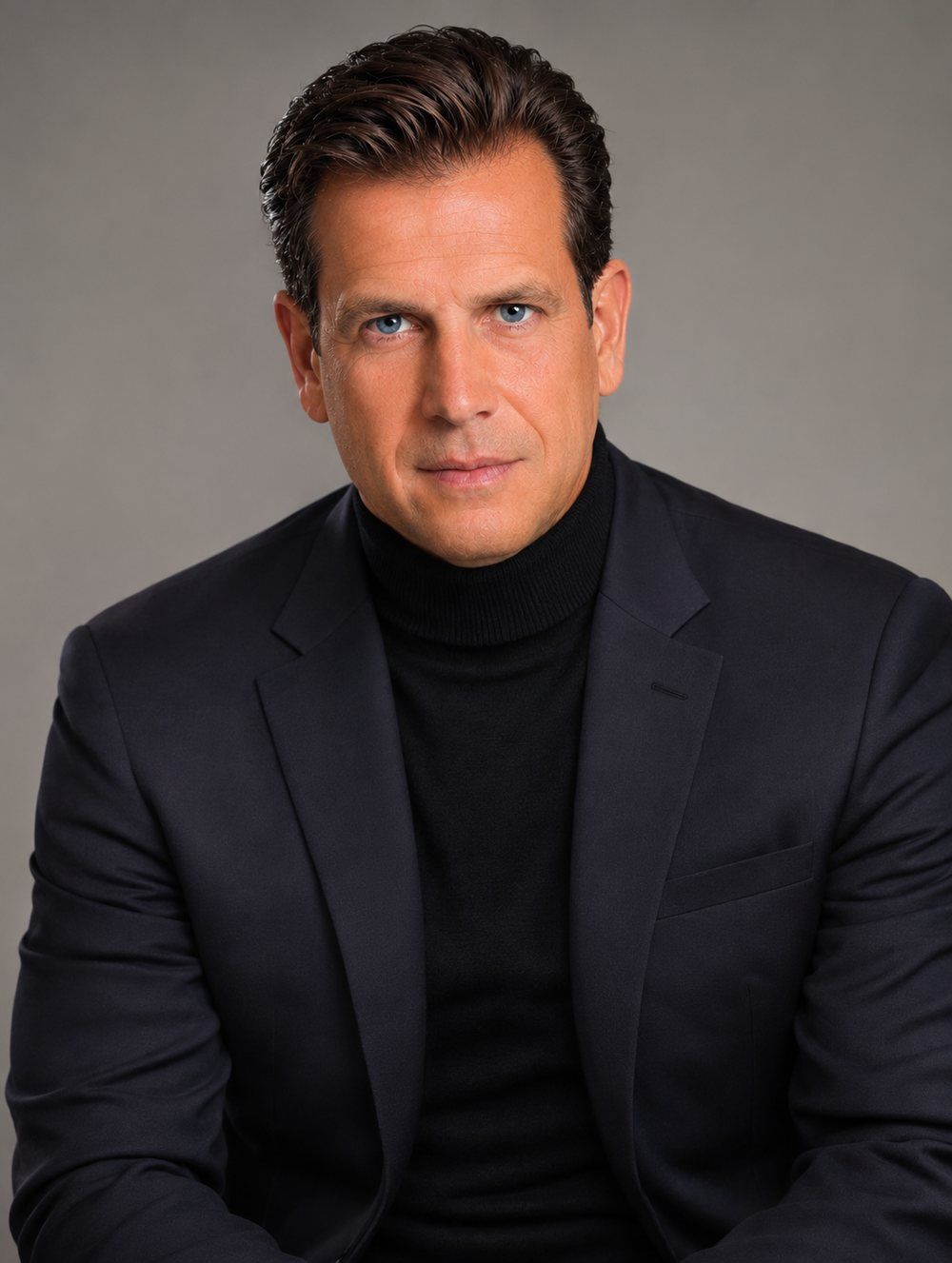
Alongside the research, I take on a small number of advisory roles where thirty years of operating experience and the research can both be put to work.
I serve on advisory boards and welcome conversations about non-executive positions where an operator's view of technology, transformation and leadership culture is wanted at the table.
Counsel for boards, private equity and venture investors, and family offices on leadership transitions, the human dimensions of AI adoption, and leadership culture due diligence before and after a transaction.
For founders and CEOs building leadership teams that will have to scale: team assessment, organisational design, first-time executive development, and the investor-ready leadership story.
Keynotes
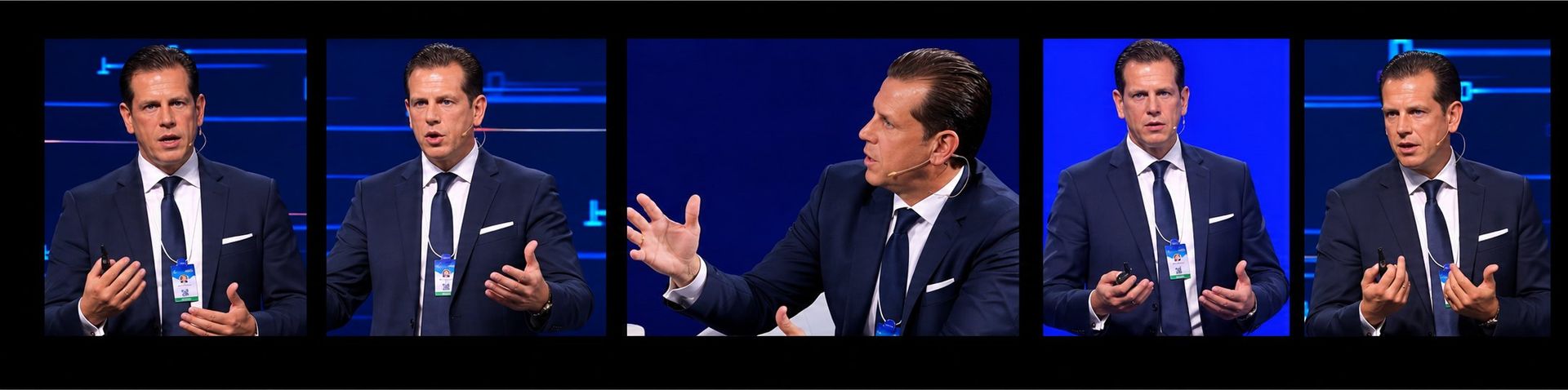
Why leaders know more than their organisations allow them to act on. Forty-five to ninety minutes.
The room arrives believing leadership development is a knowledge problem and leaves understanding it as a conditions problem. The talk moves from what senior leaders say they believe, to the three places where organisations quietly stop them, to the ways experienced leaders cope, and closes on what the age of AI does to all of it.
A different diagnosis of their own organisation, a vocabulary for tensions they have felt but not named, and one question to take back to their next budget meeting.
The human-algorithmic nexus: what stays human when the machines are at the table.
Technological wisdom for boards.
Leadership training
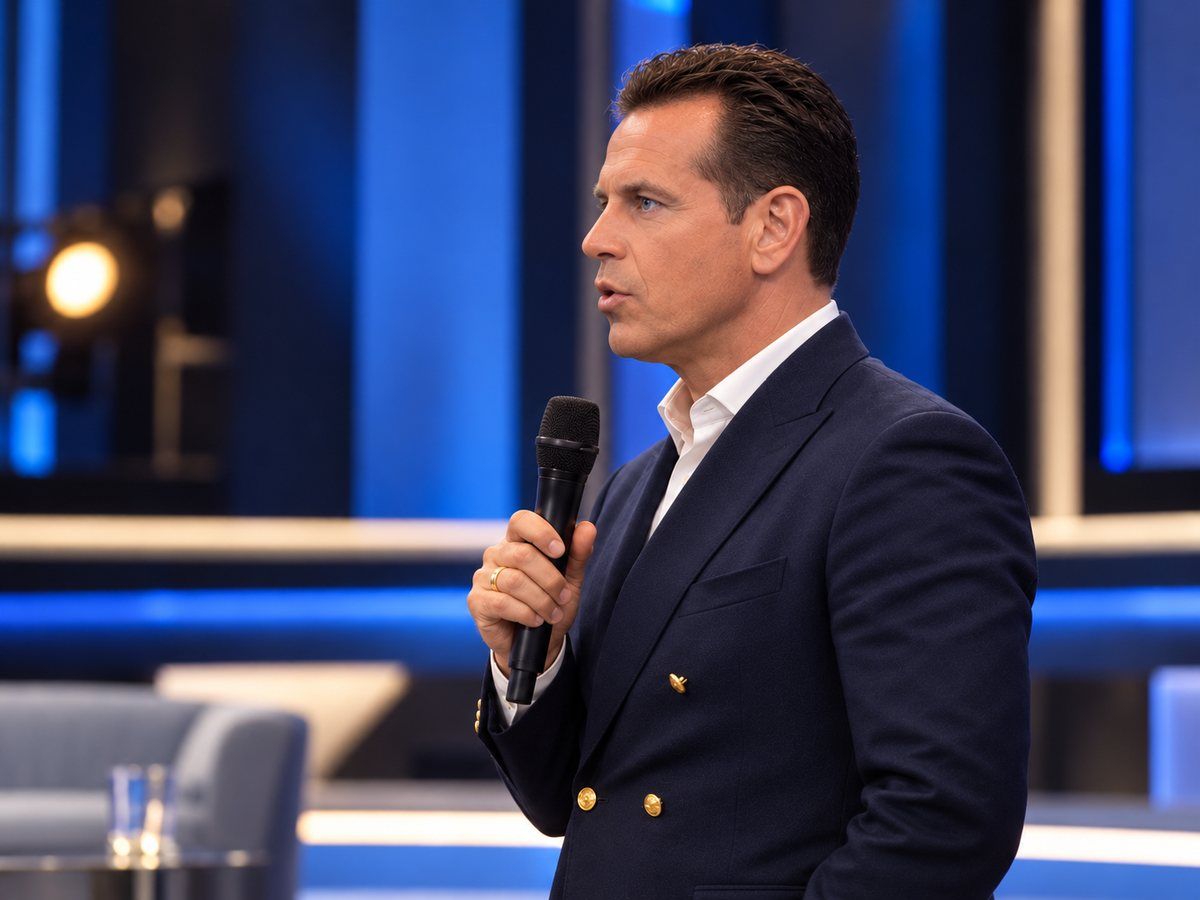
The four contradictions, in your organisation. Half a day, sometimes a full day, with one leadership team. A short framing of the research, then the team works through the four tensions as they show up in its own budget, its own review cadence and its own language. The four are people and performance, this quarter and the next decade, autonomy and accountability, and what is said and what is done.
A shared map of where the organisation produces its own knowing-doing gap, three or four concrete changes the team can own, and a way of talking about pressure that does not require anyone to pretend.
Becoming a humanified leader. Three to six months for a cohort of twelve to twenty senior and emerging leaders within one organisation, built on the six orientations of the Humanifying Leadership Framework. Facilitated sessions, structured reflection, peer coaching and work on live cases from participants' own roles.
Boundaried empathy as a practised skill rather than a slogan, a personal approach to alternating between time horizons, and the ability to recognise structural reversion before it happens.
Research engagements
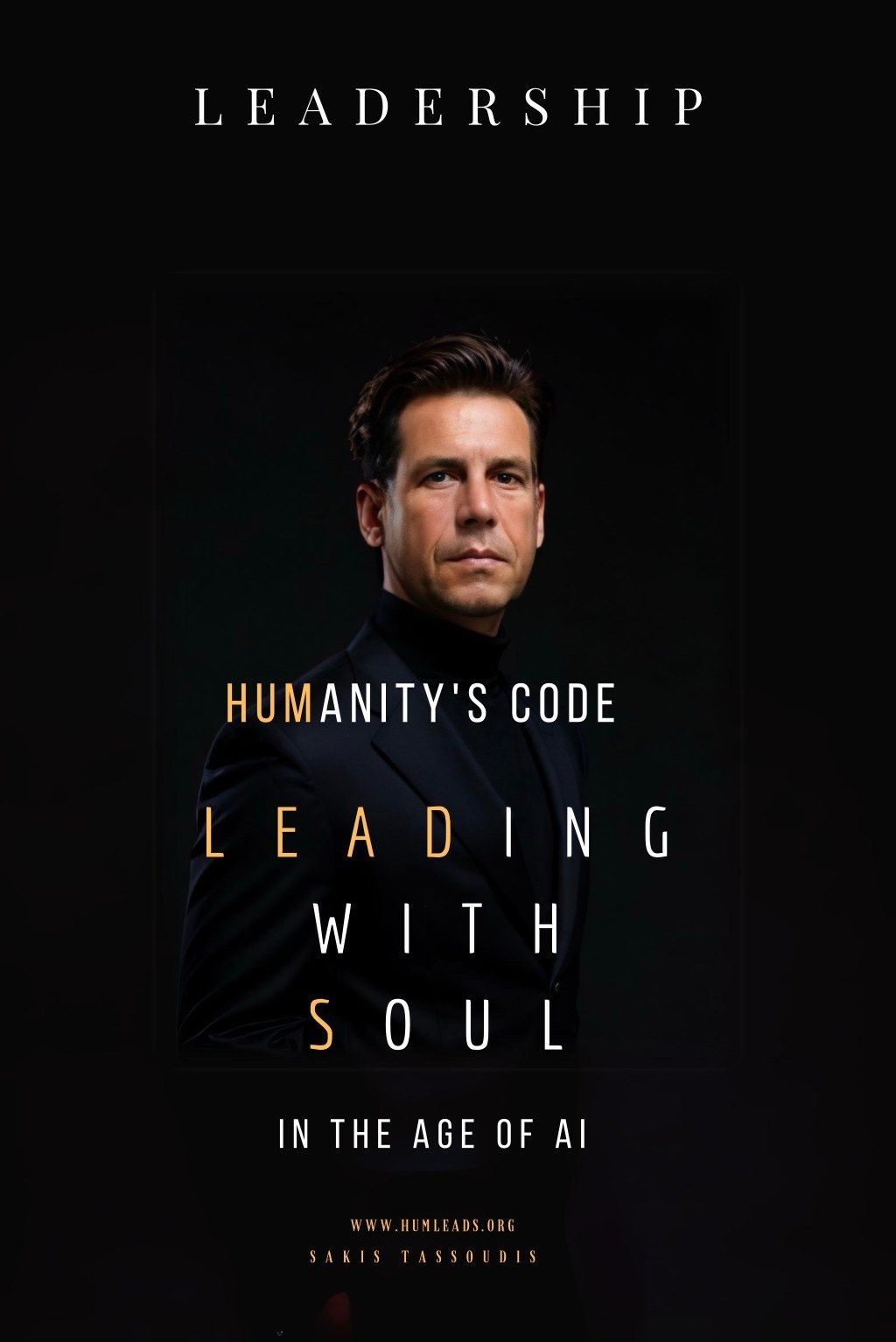
Where does your organisation stop its leaders? For boards and executives who suspect that their values and their practices have drifted apart, and for investors assessing leadership culture before or after a transaction.
A structured review in three parts. First, the gap: what leaders in the organisation endorse against what they say the organisation supports. Second, the mechanism: incentives, review cadences and the language of reporting. Third, the resilience: how exposed the organisation's progressive practices are to reversion under economic pressure.
A written assessment, a prioritised set of structural changes rather than a training recommendation, and a baseline to measure against.
The Humanified Leadership Index, a platform I am developing, will carry this work further. See the platform →
Four steps, no template
A conversation
Forty-five minutes about your context. It costs nothing.
A short proposal
Structure, deliverables, timing and investment, on a few pages.
The engagement
Designed around your organisation, not taken off the shelf.
A review point
A moment at which we adjust the work or stop it.
Does any of this sound like your organisation?
Tell me a little about your context and I will come back to you.